
Veterinary Assistant Training Checklist
Focuses on intake, handling, clinic maintenance, and surgical support, ensuring workflow efficiency and patient safety.
- Document without effort
- Centralize and organize
- Make easily accessible

What's in the Veterinary Assistant Training Checklist
WEEK ONE
Days 1 & 2: Orientation & Fundamentals
- Introduction to clinic operations, roles, and responsibilities
- Understanding patient intake procedures and documentation
- Proper use of kennel cards, labeling, and paperwork management
- Safe and gentle animal handling techniques
- Recognizing signs of fear, stress, and aggression in dogs and cats
- Introduction to veterinary disease control and prevention protocols
- Proper cleaning and disinfection of kennels and medical equipment
- Learning facility maintenance, laundry procedures, and safety guidelines
- Reviewing training schedule and onboarding plan
- Completion of online courses:
- Animal Handling & Behavior
- Introduction to Veterinary Anesthesia
- Veterinary CPR Basics
Days 3 & 4: Hands-On Training Begins
- Shadowing and assisting with patient intake and restraint
- Learning safe methods of leashing and transferring kenneled animals
- Understanding proper feline and canine restraint techniques
- Practicing low-stress handling and toweling techniques
- Overview of anesthesia equipment and monitoring
- Introduction to drug protocols and common medications used
- Observation of veterinary procedures and patient preparation
- Performing rechecks and post-operative patient monitoring
- Cleaning and maintaining surgical instruments and pack preparation
Day 5: Deepening Understanding & Practice
- Reviewing surgical and vaccine pricing structures
- Learning post-operative patient care and client communication
- Practicing correct handling of fractious and anxious patients
- Shadowing patient release procedures and owner interactions
- Reviewing and following end-of-shift protocols
- Practicing disease prevention measures and cleaning protocols
WEEK TWO
Days 1-4: Expanded Skills & Surgical Support
- Assisting in morning clinic setup, including controlled drug preparation
- Handling high-risk or medically compromised patients
- Understanding proper preparation for feline and canine surgeries
- Setting up and breaking down surgical suites
- Learning proper aseptic techniques and sterile field maintenance
- Familiarization with sterilization and pack assembly processes
- Monitoring recovery patients for complications or delayed responses
- Administering SQ and IM injections under supervision
- Identifying abnormal patient behavior post-surgery
- Observing and participating in medication preparation
Day 5: Client Communication & Front Desk Training
- Learning front desk protocols, scheduling, and patient record management
- Managing medical calls and triaging concerns to veterinarians
- Reviewing intake procedures for trapped and feral cats
- Identifying and responding to high-risk patients
- Reviewing discharge instructions and addressing client concerns
- Practicing professional communication with owners
- Shadowing a full patient recheck process
WEEK THREE
Days 1-4: Advanced Handling & Surgical Support
- Identifying warning signs of post-surgical complications
- Ensuring proper pain management for recovering patients
- Preparing patients for transport and loading/unloading procedures
- Assisting in placing Elizabethan collars and assessing fit
- Identifying medical emergencies and following appropriate response protocols
- Assisting in IV catheter placement and anesthesia prep
- Handling fractious or aggressive animals with proper restraint tools
- Documenting patient care and surgical information accurately
- Reviewing and executing deep cleaning protocols
Day 5: Emergency Training & Finalizing Competencies
- Understanding emergency protocols (CPR, oxygen therapy, patient stabilization)
- Reviewing common anesthesia complications and responses
- Running a mock emergency drill for hands-on practice
- Practicing disease prevention and infection control measures
- Demonstrating understanding of veterinary assistant responsibilities
WEEK FOUR
Days 1-4: Independent Work with Supervision
- Operating independently in assigned responsibilities
- Ensuring proper flow of patients through intake, surgery, and recovery
- Assisting with medical recordkeeping and surgical documentation
- Demonstrating leadership in maintaining clinic efficiency
- Coordinating with veterinary team members for workflow optimization
Day 5: Final Competency Evaluation
- Employees will take a comprehensive quiz testing knowledge on all checklist topics
- Practical skills evaluation in patient handling, restraint, and monitoring
- Official certification of readiness for full veterinary assistant responsibilities
How does this free template stack up to Whale?
A static checklist template
- Customizable
- Free
- Free mobile app
Whale
- Customizable
- Free
- Free mobile app
- Employee Training tools
- Employee Onboarding tools
- Automated Workflows
- Reporting
- Insights on knowledge
- Insights on Checklist runs
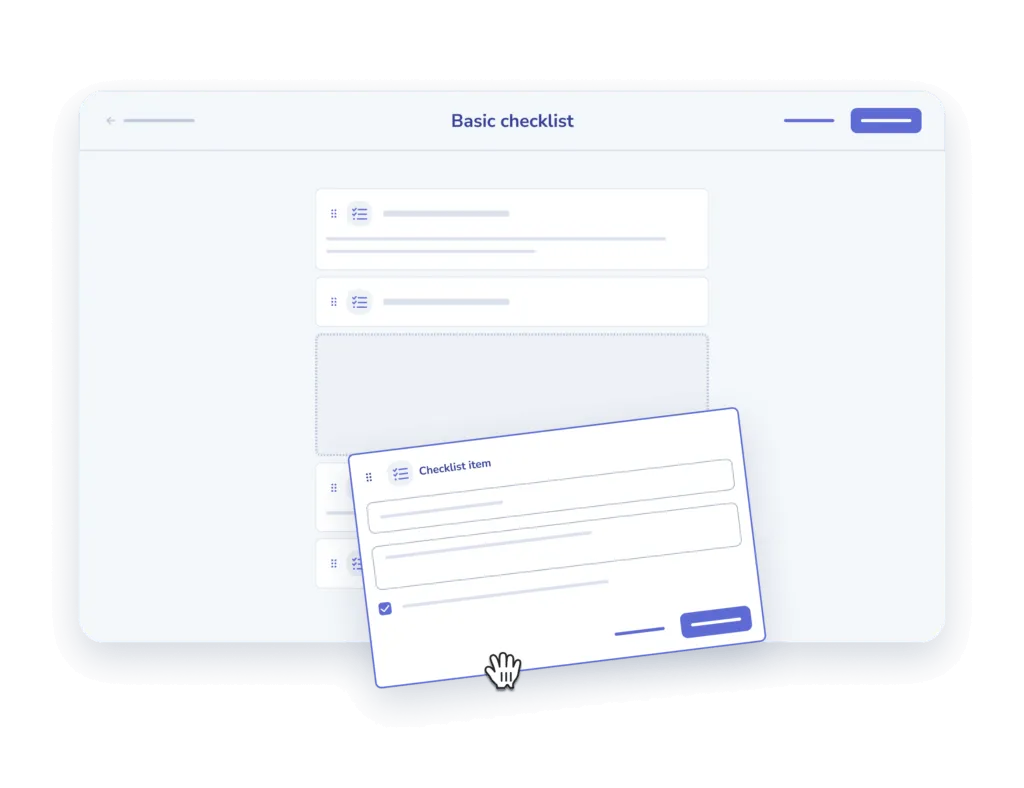
Create checklists with ease
- Add and describe. Add your steps one at a time and offer a description for clarity sake.
- Add an input field. Offer the option to add comments or other inputs for each step.

Assign to your team and track
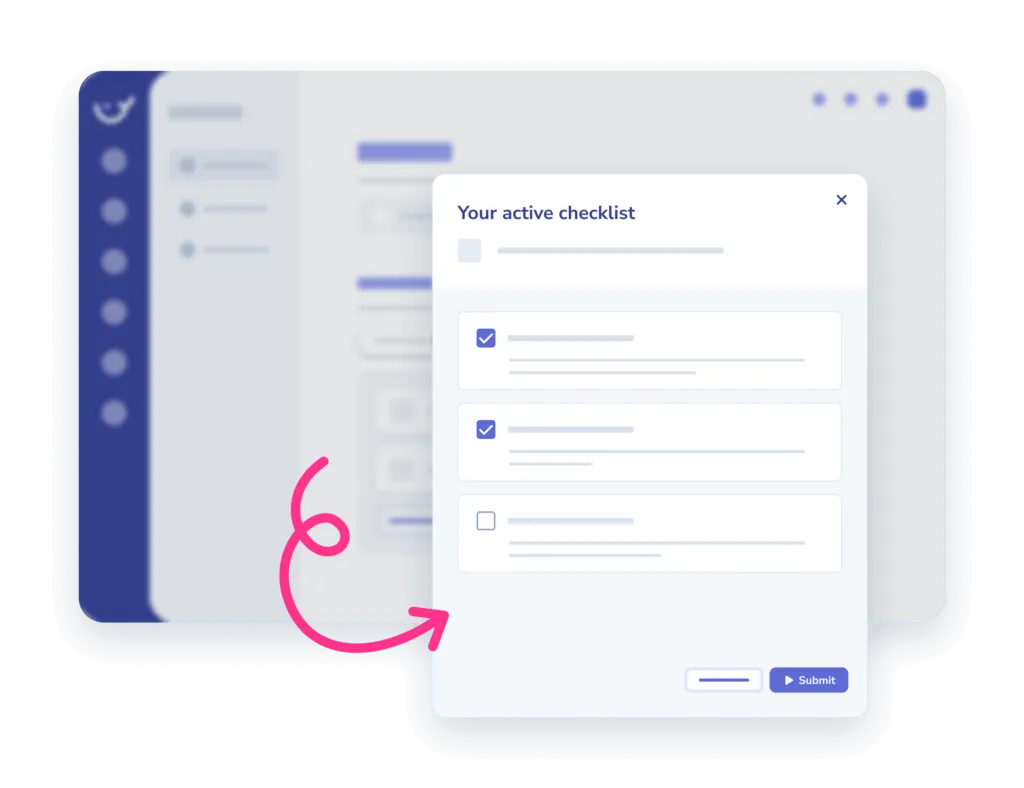
- Assign. Assign checklists to an individual or a team, in the office or on the go.
- Track completion. Monitor when and who completed which tasks in the insights report.
Frequently asked questions
Start for Free01How do I use this checklist template?
Copy the checklist into Whale and work through it step by step. Every item can carry its own description, so whoever runs it knows exactly what the step means and what done looks like.
02Can I customize the checklist for my team?
Yes. Add your own steps one at a time, write a description for each, and add an input field wherever you need someone to leave a comment or record a result.
03Can I assign a checklist and see who completed it?
Yes. Assign it to one person or a whole team, in the office or on the go, then monitor when and who completed which tasks in the insights report.
04Is this checklist template free?
The template is free to use. Whale adds the training flows, onboarding, automated workflows and reporting on top for when a checklist becomes part of how the team works.
Other features
Training Flows
Build the onboarding path once. Assign it to every new hire.
Learn about Training FlowsAI-Generated Quizzes
Turn any SOP into a quiz in one click
Learn about AI-Generated QuizzesAnalytics & Reporting
See what your team uses, what they skip, and who needs help
Learn about Analytics & Reporting