
Veterinary Technician Training Checklist
Hands-on training in patient care, anesthesia, surgical prep, and emergency response, leading to certification.
- Document without effort
- Centralize and organize
- Make easily accessible

What's in the Veterinary Technician Training Checklist
WEEK ONE
Days 1 & 2: Orientation & Fundamentals
- Introduction to clinic protocols and safety guidelines
- Familiarization with dry box and cold storage contents
- Understanding patient paperwork, including proper documentation in drug logs
- Checking paperwork for accuracy (signatures, phone numbers, patient info)
- Creating name bands and kennel cards
- Observing and assisting in feline handling during check-in
- Recording patient weight and other intake details
- Learning proper drug logging procedures
- Preparing medication/vaccine baggies for each patient
- Introduction to veterinary drug protocols and anesthesia basics
- Practicing strict disease control measures (hand hygiene, disinfection)
- Introduction to anesthetic machines and supplies
- Reviewing key veterinary resources for best practices:
- Canine & Feline Intake Procedures
- Anesthetic Protocols
Days 3 & 4: Hands-On Training Begins
- Reinforcement of Day 1 & 2 skills
- Assisting with canine check-in procedures
- Timing and organizing pre-surgical duties (drug drawing, setup, etc.)
- Double-checking drug dosages and administration accuracy
- Practicing canine intubation techniques (including ET tube cuff inflation)
- Observing feline anesthesia induction
- Learning the end-of-day processing workflow (record updates, drug log reconciliation, rabies tag distribution)
- Understanding legal and compliance regulations for documentation
Day 5: Patient Intake & Documentation Mastery
- Training in patient intake assessment:
- Identifying medical risks, medications, and health concerns
- Evaluating patient suitability for procedures
- Completing all necessary paperwork accurately (admission forms, post-op instructions, medical records, etc.)
- Understanding surgery and vaccine pricing structures
- Delivering clear, concise post-operative care instructions
- Balancing daily drug logs and ensuring compliance with regulatory standards
WEEK TWO
Days 1-4: Advanced Patient Care & Surgical Prep
- Overseeing patient release and post-surgical monitoring
- Inspecting incisions and assessing patient recovery
- Effective client communication on post-surgical care
- Recognizing potential complications and alerting veterinarians
- Practicing proper patient handling techniques (low-stress feline and canine restraint)
- Setting up controlled drugs and surgical tools for the day
- Administering pre-medications and IV catheter placement
- Introduction to emergency feline intubation techniques (for critical cases)
- Understanding and preparing TTDex drug protocols for feline patients
- Improving efficiency in surgical prep and patient monitoring
- Refining documentation accuracy and compliance standards
Day 5: Client Communication & Workflow Efficiency
- Managing client calls and triaging medical concerns
- Scheduling surgical appointments and follow-ups
- Learning front desk operations and patient recheck systems
- Utilizing veterinary clinic management software (e.g., Clinic HQ)
- Reviewing educational resources for continuous learning:
- Handling Techniques for Canines & Felines
- Medical Flow & Emergency Procedures
WEEK THREE
Days 1-4: Surgical Suite Leadership & Advanced Handling
- Mastering the handling of fractious cats (use of shields, nets, and humane restraint methods)
- Safely inducing anesthesia for trapped or feral cats
- Educating clients on high-risk procedures and obtaining consent waivers
- Accurately documenting surgical and post-op medical records
- Safely handling and managing aggressive or anxious canines
- Enhancing paperwork efficiency and accuracy
- Leading surgical flow management, ensuring proper procedure timing
- Increasing responsibility for surgical patient monitoring
- Prioritizing patient care and identifying abnormal recovery signs
- Implementing hypothermia prevention strategies (warming devices, blanket use)
- Identifying patients requiring additional pain management
- Administering post-operative analgesics and sedatives as needed
- Recognizing and correcting lapses in infectious disease control
- Conducting end-of-day patient monitoring and checklist completion
Day 5: Emergency Preparedness & Response
- Training in veterinary emergency protocols (CPR, oxygen therapy, fluid resuscitation)
- Reviewing critical resources for handling trapped and high-risk patients
- Running mock emergency drills for anesthesia complications
WEEK FOUR
Days 1-4: Mastering Efficiency & Team Leadership
- Directing clinic staff for smooth workflow management
- Monitoring surgical suite pace and adjusting responsibilities accordingly
- Effective intra-team communication to maintain efficiency
- Maintaining a high standard of patient monitoring and safety
- Taking leadership in surgical flow and team coordination
- Implementing best practices for time management and organization
Day 5: Final Review & Resource Familiarization
- Reviewing veterinary training resources and guidelines
- Completing final self-assessment on clinic operations
WEEK FIVE: Independent Work Under Supervision
- Operating independently while receiving oversight from senior technicians and veterinarians
- Managing multiple tasks and patient cases with minimal supervision
- Demonstrating full proficiency in veterinary technician duties
Final Competency Evaluation
- Employees will take a comprehensive quiz testing knowledge on all checklist topics
- Practical skills evaluation in patient handling, drug administration, and documentation
- Official certification of readiness for full veterinary technician responsibilities
How does this free template stack up to Whale?
A static checklist template
- Customizable
- Free
- Free mobile app
Whale
- Customizable
- Free
- Free mobile app
- Employee Training tools
- Employee Onboarding tools
- Automated Workflows
- Reporting
- Insights on knowledge
- Insights on Checklist runs
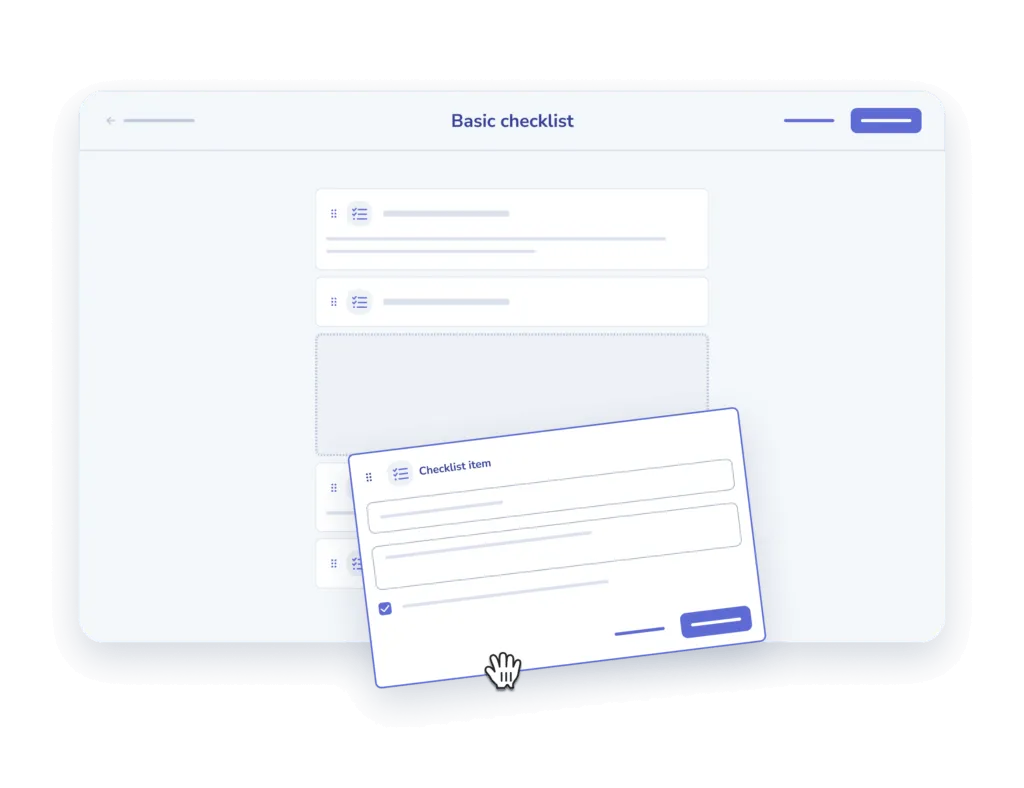
Create checklists with ease
- Add and describe. Add your steps one at a time and offer a description for clarity sake.
- Add an input field. Offer the option to add comments or other inputs for each step.

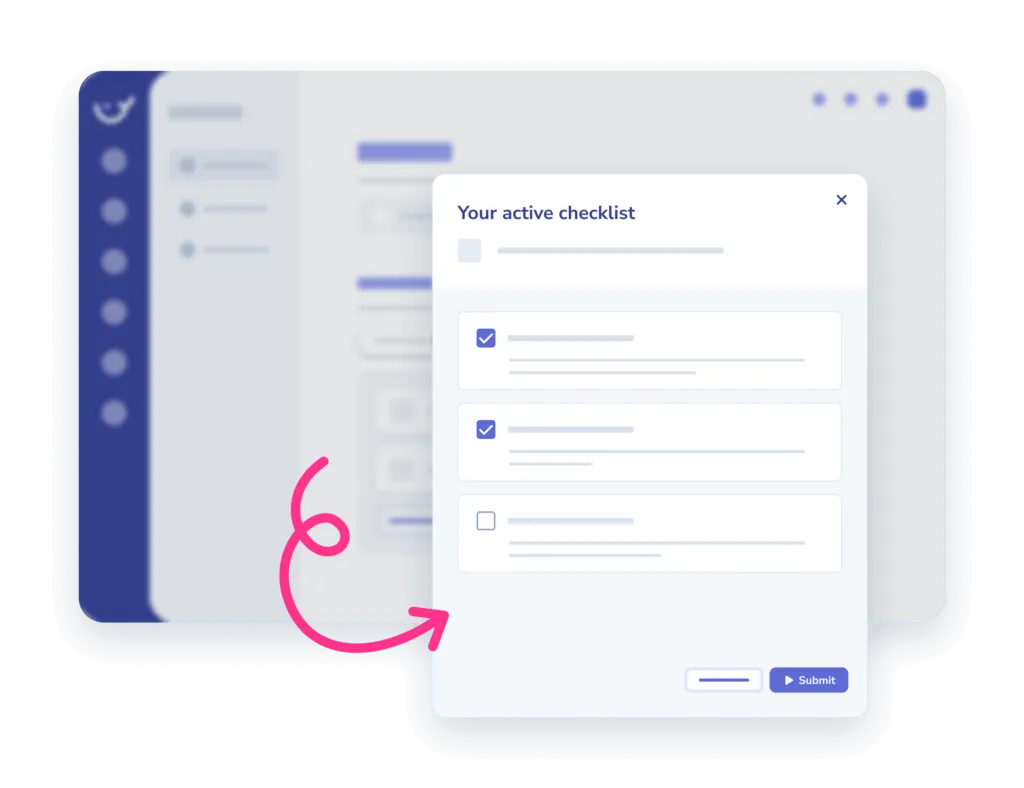
Assign to your team and track
- Assign. Assign checklists to an individual or a team, in the office or on the go.
- Track completion. Monitor when and who completed which tasks in the insights report.
Frequently asked questions
Start for Free01How do I use this checklist template?
Copy the checklist into Whale and work through it step by step. Every item can carry its own description, so whoever runs it knows exactly what the step means and what done looks like.
02Can I customize the checklist for my team?
Yes. Add your own steps one at a time, write a description for each, and add an input field wherever you need someone to leave a comment or record a result.
03Can I assign a checklist and see who completed it?
Yes. Assign it to one person or a whole team, in the office or on the go, then monitor when and who completed which tasks in the insights report.
04Is this checklist template free?
The template is free to use. Whale adds the training flows, onboarding, automated workflows and reporting on top for when a checklist becomes part of how the team works.
Other features
Training Flows
Build the onboarding path once. Assign it to every new hire.
Learn about Training FlowsAI-Generated Quizzes
Turn any SOP into a quiz in one click
Learn about AI-Generated QuizzesAnalytics & Reporting
See what your team uses, what they skip, and who needs help
Learn about Analytics & Reporting