
Share
Whale QR Codes
Put an SOP on the wall. Let the phone do the rest.
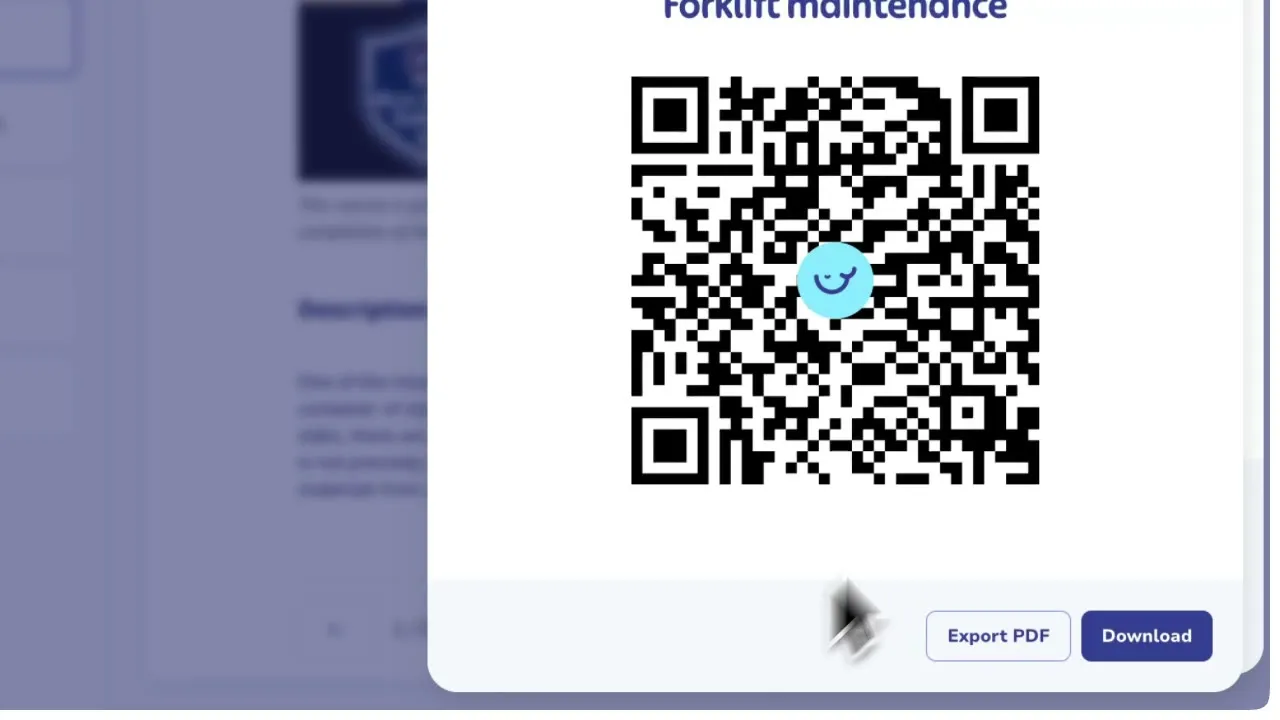
Generate a QR code for any Whale SOP. Print it, stick it at the station, and any team member scans it on their phone to get the current version of the process in seconds.
- 4.8/5 on G2
- SOC 2 certified









The problem
The people doing the work are not at a desk
Your frontline team already has a phone in their pocket. Whale puts a QR code next to the work so the right SOP is one scan away, on the device they already carry.
How teams do it today: Laminated SOPs on the wall go stale the day they're printed
With Whale's QR Codes: Every scan loads the latest version of the SOP
How teams do it today: Frontline workers can't log into a laptop mid-shift
With Whale's QR Codes: One scan on the phone they already carry, no login needed
How teams do it today: Nobody remembers where the right binder or folder lives
With Whale's QR Codes: The code lives on the station, not in someone's memory
How teams do it today: A process update never reaches the warehouse floor
With Whale's QR Codes: Update the SOP once and every printed code shows the new version
Works on any phone, no app required
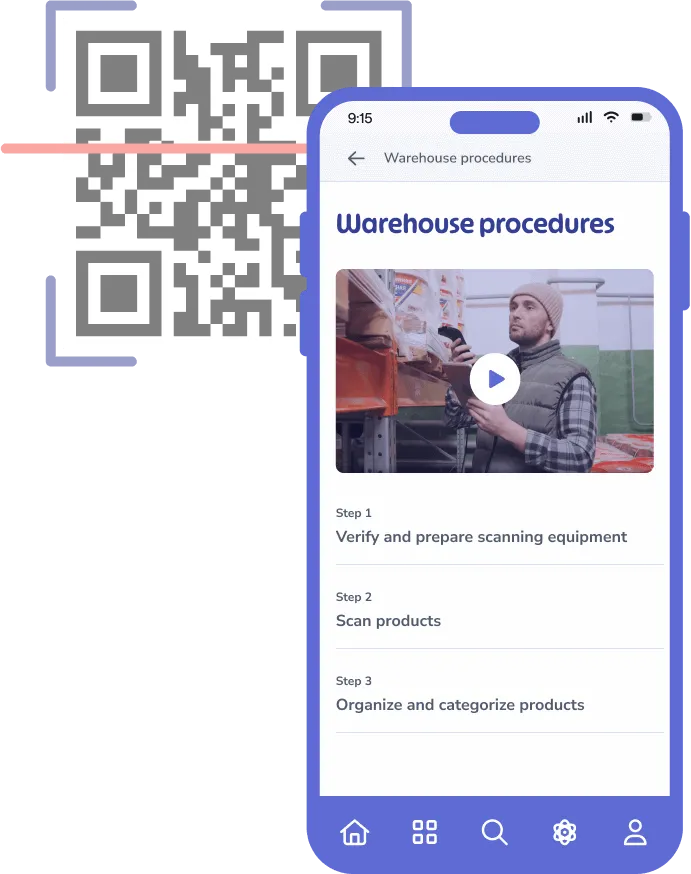
Anyone on the floor points a phone camera at the code and the SOP opens in the mobile browser.
- No app to install.
- No account to create for view-only access.
- The same code works for a new hire on day one and a seasoned tech who rotates between locations.
The code never goes out of date
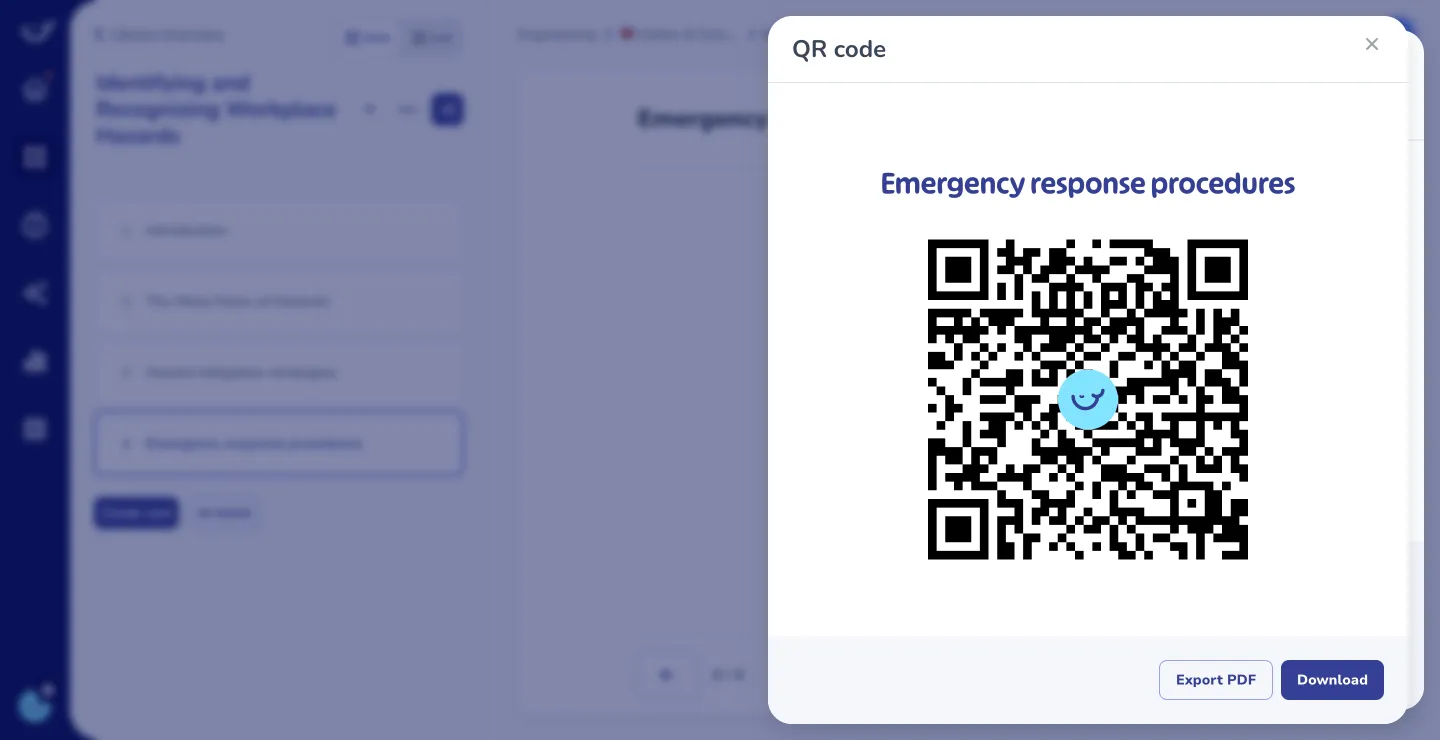
Print a QR code once and the link behind it keeps pointing at the live SOP in Whale.
- Edit the SOP, add a step, swap a screenshot, and the next scan loads the new version.
- The sticker on the wall stops being a lagging document and starts acting like a live feed.
Every scan plugs into the rest of Whale
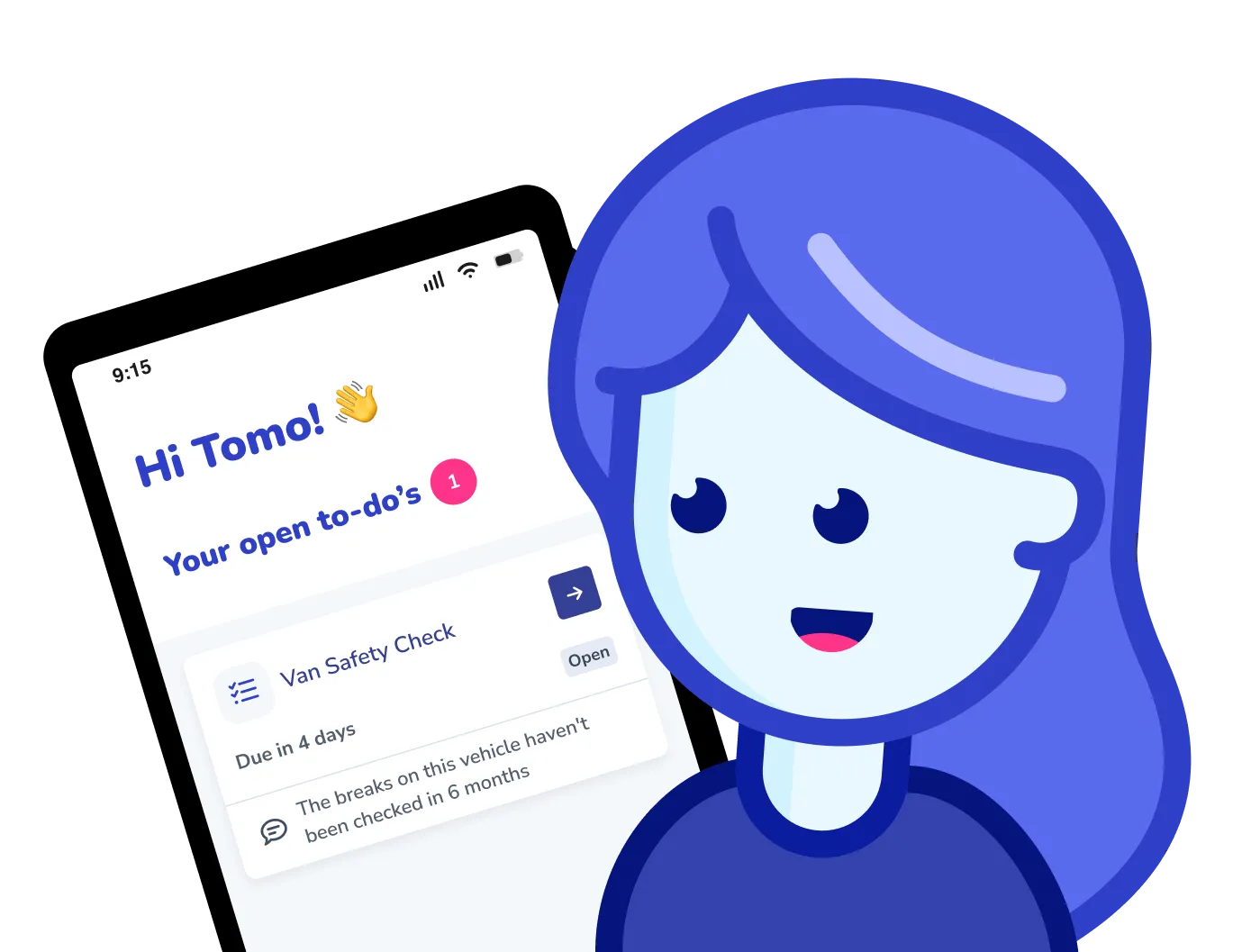
The SOP behind the code is assigned through a Whale training flow, quizzed for comprehension, and answered by Coral, Whale’s AI assistant, when a worker has a follow-up question from the phone. Scan analytics show which stations use which SOPs, so you know what to update first.
How it works
- 01
Generate a QR code for any SOP
Open any Whale SOP, click the share menu, and generate a QR code in one step. Every SOP in your workspace can carry its own code, tied to the latest version.
- 02
Print it and put it where the work happens
Download the code as a print-ready file. Stick it next to the machine, on the prep counter, at the loading dock, inside the service van. Wherever the SOP is needed, the code goes.
- 03
Your team scans and follows
Anyone on the floor scans the code with a phone camera and opens the current SOP in their browser. They follow the steps and get back to work. No binder, no laptop, no search.
In their own words
Loved for its overall simplicity and support
“Exceptional Tool for Business Knowledge”
Whale is excellent to document and organize business knowledge. Their AI makes it even easier!
Lyndon S.Small-Business (0-50 emp.) “Whale Keeps Work Organized and Teams Confident”
Whale unifies documentation, training, and reviews in one ecosystem.
Verified User in AccountingMid-Market (51-1000 emp.) “Screen Recorder Transformed Our Productivity”
All features are excellent, but the Screen Recorder has boosted productivity for our company.
Andres A.Enterprise (> 1000 emp.) “User-Friendly Platform with Great Features”
Whale is very user-friendly. "Coral" has been a game changer, makes finding information effortless.
Martha Y.Mid-Market (51-1000 emp.) “Intuitive, fresh and easy!”
Whale's clean layout makes building and navigating SOPs a breeze.
Harley B.Small-Business (0-50 emp.) “Productivity Unleashed!”
Managing and write SOP versions, assign them, track progress through a dashboard, and automate revision tracking.
Verified User in FarmingMid-Market (51-1000 emp.) “My company utilizes Whale for our SOP’s and FAQ’s.”
Everything is very easy to locate and the search bar is my favorite feature. When I need a quick answer I turn to Whale to find what I am looking for.
Georgia R.Mid-Market (51-1000 emp.) “Whale Streamlined Our Processes and Boosted Team Onboarding”
Whale transformed how we manage internal processes. Documenting SOPs is fast and we can build and share training materials in minutes, making onboarding significantly more efficient.
Fábio B.Enterprise (> 1000 emp.) “Whale Keeps Department Training Organized with Boards, Libraries, and Playbooks”
Boards, Libraries, and Playbooks keep training organized by department, so you can generate videos, SOPs, quizzes, and more for each topic.
Ketan T.Mid-Market (51-1000 emp.) “Streamlines Documentation with Ease”
I use Whale for company handbooks, regulations, how-to's, and manuals, all on one platform. The step-by-step screen recorder auto-captures screenshots and saves me about an hour per guide.
Anouk V.Mid-Market (51-1000 emp.) “Effortlessly Streamlines Team Training with Solid Support”
Whale supports training my merchandising teams with AI and video features that break down training step by step. Creating training flows is easy, and quizzes ensure the material lands.
Shelley F.Mid-Market (51-1000 emp.) “Effortless SOP Management with Stellar AI Search”
Whale centralizes all our SOPs with standard formatting and makes them easy to find, especially with the fast AI search across thousands of documents.
Jitender T.Small-Business (50 or fewer emp.)
Frequently Asked Questions
01Do my team members need a Whale account to scan a QR code?
It depends on how you set up the SOP. Public SOPs open for anyone who scans the code, no account or login needed, which is the right pattern for station instructions, safety checks, and customer-facing processes. Internal SOPs require a Whale login, so sensitive processes stay behind authentication. You decide per SOP which mode applies.
02What happens to printed codes when the SOP changes?
Printed codes keep working. The QR code points at a stable link inside Whale, and the link resolves to the current version of the SOP. Edit the SOP, publish, and the next scan loads the new content. You do not reprint codes when the process changes. You reprint only if you retire the SOP entirely or rename the station.
03Do QR codes work on Android and iPhone?
Yes. QR codes open in the default camera app on both Android and iPhone and load the SOP in whatever mobile browser the device uses. The SOP is responsive, so video, screenshots, and checklists render on a phone screen the same way they render on a laptop. No app install is required for view-only access.
04Can I track whether people are actually scanning the codes?
Yes. Whale analytics show views on every SOP, including views that arrive through a QR scan. You can see which stations drive the most scans, which SOPs go unread, and which team members complete the training flows tied to a scanned SOP. This is how you spot the laminated sheet on the wall that nobody actually uses.
05What about field workers with bad signal?
The Whale mobile app caches SOPs for offline access, so a technician who scans a code in a basement, a warehouse aisle with dead zones, or on a job site with no reception still gets the content. The first scan pulls the SOP. Subsequent opens work offline from the cache. Updates sync the next time the phone reconnects.
06How is this different from Scribe or a Google Drive link?
Scribe can produce a share link, but the document behind it is a standalone capture with no training layer, no assignments, no quizzes, and no analytics. A Google Drive link points at a file that nobody updates. A Whale QR code points at an SOP that is assigned, quizzed, tracked, and kept current by the same team that owns the process. One code, one source of truth, one platform.
Other Features
Share
Public share
Share an SOP with anyone through a public link, no Whale account required.
Learn moreAccess
Whale mobile app
Put every SOP in the pocket of every frontline worker, online or offline.
Learn moreRun
Checklists
Turn any SOP into a step-by-step checklist the team completes on the floor.
Learn more